All posts tagged: animal rights

Yield

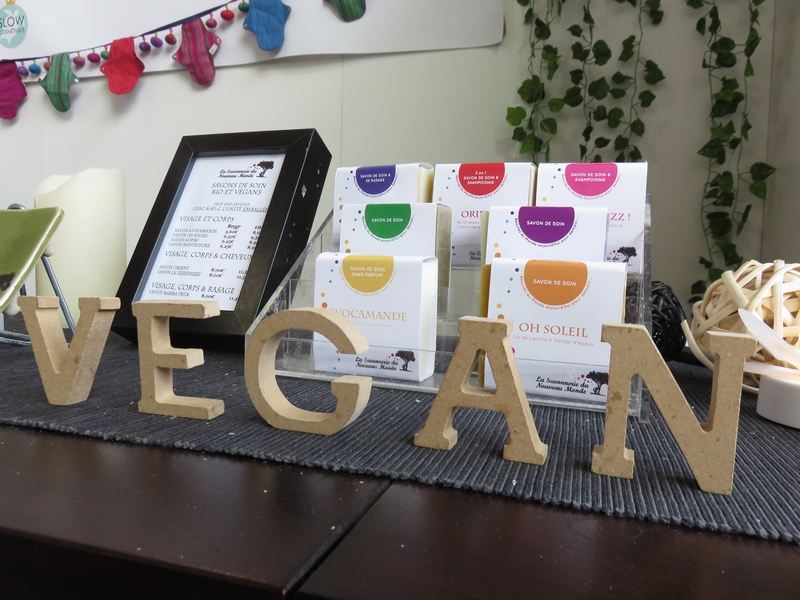
Pinnacle of speciesism: when an animal is reduced to her function or yield   Animals are not ‘egg’, ‘bacon’, ‘wool’ or ‘milk’, but each and every one sentient feeling beings, who can suffer pain, each with their own individuality. Spotted in a shop in Valkenburg (the Netherlands)

Can I look at you in peace now? Premiere of Dominion in Ghent

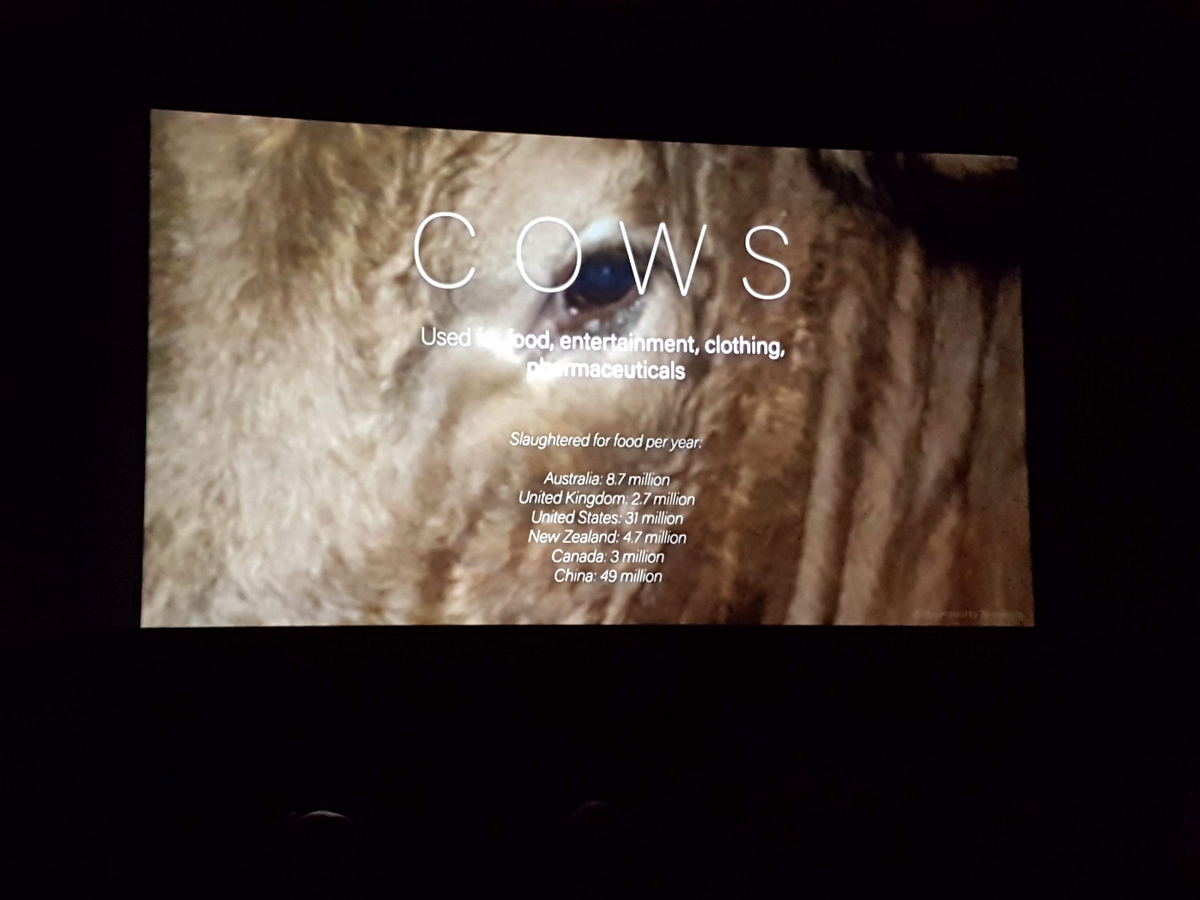
A couple of weeks ago, the documentary Dominion was shown for the first time to a public audience in Belgium. The premiere was in the Sphinx cinema, in the heart of the city of Ghent (next to the McDonalds, oh the irony). The screening was organised by the ‘Dominion Movement Belgium’. Dominion is an Australian documentary (2018) and is announced as following (website): Exposing the dark underbelly of modern animal agriculture through drones, hidden & handheld cameras, the feature-length film explores the morality and validity of our dominion over the animal kingdom.

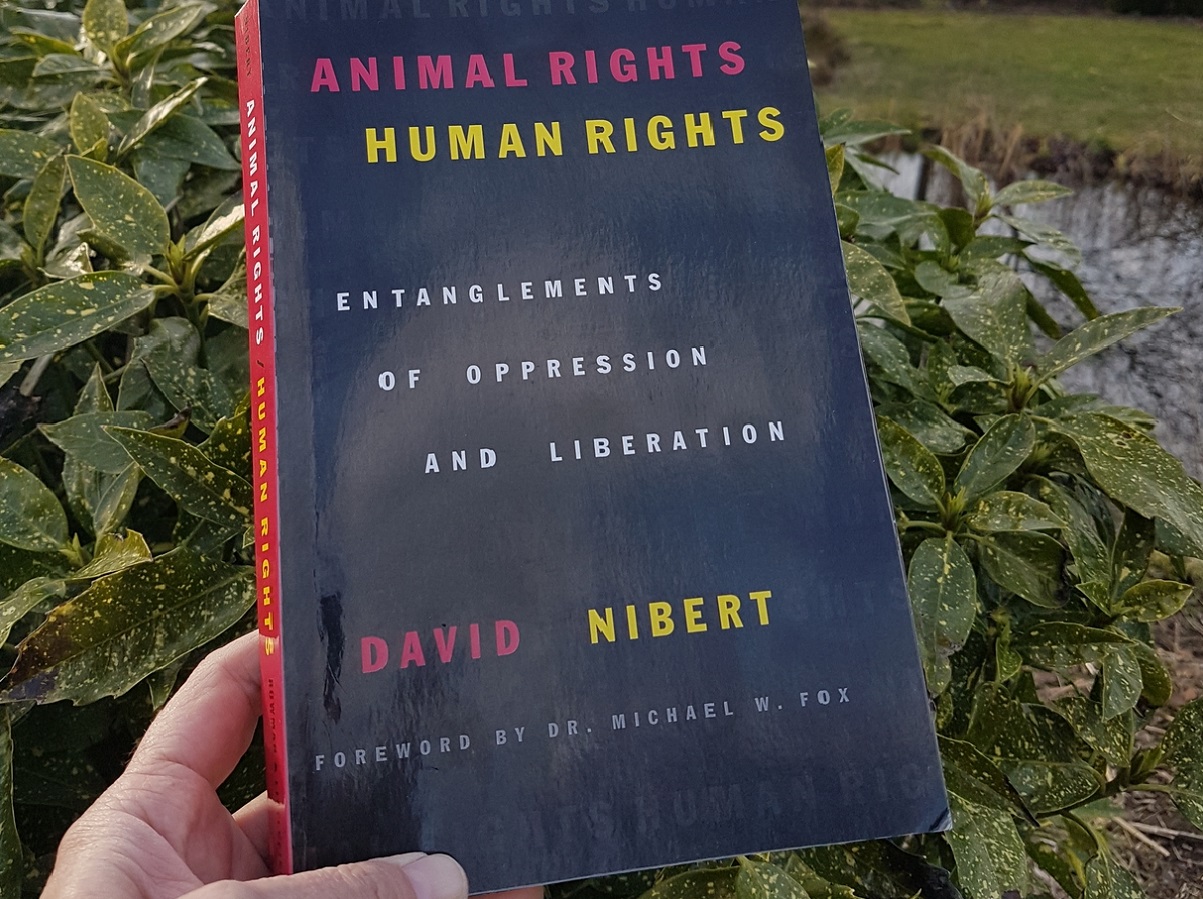
Recommended literature: Animal Rights, Human Rights (David Nibert)

I recently read ‘Animal Rights. Human Rights. Entanglements of Oppression and Liberation‘ by David Nibert (2002) and found it truly inspiring. The thesis of the book is that human oppression of other animals is primarily motivated by economic interests, and is profoundly and permanently intertwined with oppression of other humans. The economic forces fueling oppression have intensified with the development of capitalism. The oppression of humans and other animals developed in tandem, each fueling the other. Nibert uses a three fold theory of oppression. This theory explains how oppressions takes place through mutually reinforcing social and economic mechanisms. There are three interactive forces: Economic exploitation, competition. The exploitation of other animals (and humans) is driven by economic forces. The motivation for the development and institutionalization of oppressive practices is primarly material, not attitudinal. Prejudice is the product of these arangements. Not the cause. The importance of power. A powerful elite (pivileged humans) uses political force over the oppressed, and they wield the power of the state. Ideological control. Oppression requires rationalisation and legitimation. Ideologies like …

Dare to think. Dare to speak

Dare to think. Dare to talk. Dare to act. when you see animal abuse when someone says one needs to eat animals to be healthy when someone invites you for a visit to a zoo when it is said that it all comes down to personal choice when someone says cow’s milk is necessary for strong bones when it is said that eating animals is ‘natural’ when someone says it has always been done this way when it is said that animals don’t have feelings when at a barcecue, someone shoves a ‘steak’ up your face when someone says ‘humane meat’ is better when someone replies but a cow ‘gives’ milk when the rights of animals are violated Speak up! #animalrights #vegan Inspired by a clip made by my Alma Mater, Ghent University:

Our visit to Veggieworld 2017, Brussels

Veggieworld is an international vegan fair, that has been organised since 2011, in 8 different European countries. In October 2017, it was organised in Brussels for the first time. Veggieworld was located in Tour and Taxis. Nicely renovated old industrial buildings on the north side of Brussels. Parking just next door (a bit expensive, 7 euro, whether one was there for half an hour of half a day didn’t matter), good facilities (accessible toilets). Bright place, with high ceilings. It was unclear to us at first – going by the name – whether this was a vegan or vegetarian fair (it is vegan). We feel “Veganworld” would be a much more appropriate, clearer and better name. Veggie usually refers to vegetarianism, not veganism, so that is confusing. And using the word veggie instead of vegan makes ‘vegan’ less known and even sound more extreme (see our post: just say the word: vegan!). Admission was 8euro pp (10 euro on the day itself), which we felt was a reasonable price. Of course a free festival like …

Drop the ‘strict’

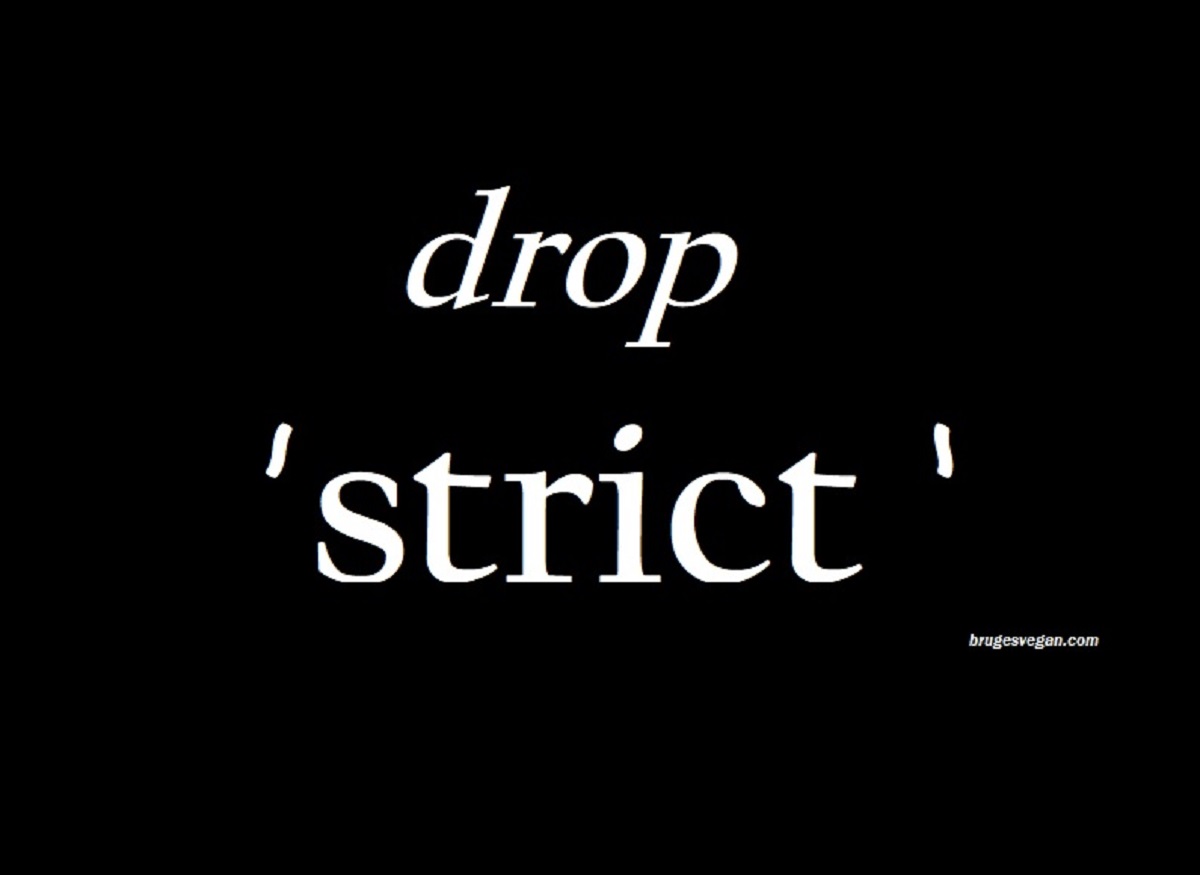
Words are not simply neutral  expressions of how we experience or want to describe reality. They shape and give meaning to our thoughts and ideas, and even though we think we are giving an objective account of reality, our choice of words often has a very subjective interpretation. Here are a few texts about veganism (or a vegan diet). Note the use of ‘strict’.   The repeated use of the word ‘strict’, portrays veganism (even more) as something extreme and hard. Don’t make it sound more difficult than it is, and drop the use of the word ‘strict’.

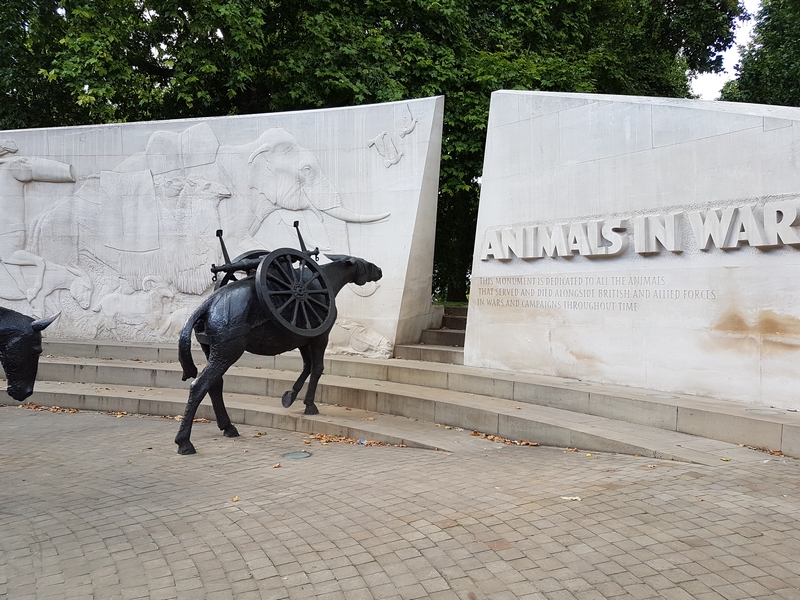
Bombed, shot, shell shocked and killed. Animals in War Memorial, London

On our last city trip to London last Summer, we visited the Animals in War Memorial. It is located on the upper East side of Hyde Park at the Brook Gate.  On our previous visit to London (for the Intersectionality conference at VegfestUK, Nov 2016) we barely got a glimpse of the monument as we passed by with a cab on busy Park Lane, but a large truck in the lane next to us was unfortunately blocking our view on the Memorial. The memorial was designed by English sculptor David Backhouse to commemorate “all the animals that served, suffered and died alongside the British, Commonwealth and Allied forces in the wars and conflicts of the 20th century” (quote from Animals in War Memorial). It was unveiled in November 2004*. I have very mixed feelings about memorials and monuments dedicated to animals who have ‘served’ for law enforcement, as soldiers, as bomb sniffers or protection guards. One the one hand, it is heartwarming to see so many people care about the animal victims of war, and commemorate them …

Farmer switches to veganic farming and gives cows to sanctuary

I find this one of the most inspiring stories of the last years. Although there’s no shortage of positive stories about veganism in mainstream media (about the numbers of vegans growing, vegan celebrities or the increasing offer of vegan products), most of these focus on the consumption side of the spectrum. There are far less stories from the other side, being the production side. And in the end, when it comes to the food aspect of veganism, that’s what it’s all about: ending the use of animals in food production. Making farmers choose vegan options, switching to veganic farming (without the use of any animal products, like manure). Jay Wilde, a 59 year old vegetarian farmer from Derbyshire (UK) inherited the farm when his dad died in 2011. He couldn’t bear to send the cows to slaughter anymore and has donated about 60 cows to a vegan sanctuary. And is now switching to veganic vegetable farming. “I’m relieved to have made the decision to no longer farm animals, something which I always found quite upsetting,” he …

Interview with Trudi

A couple of months ago, Ned from The Way of the Squirrel Books posted a call to other bloggers to do an interview. I had seen such calls for interviews before on other blogs, but had never actually done one of them. I was contemplating on editing the ‘about’ section on my blog anyway, but then thought this was also a great way of introducing readers with the person behind the blog. A good opportunity to share some insights into why I started blogging, some general thoughts on veganism (keeping in mind it is also an opportunity to reach people who may have never heard of veganism) and just some more general personal stuff. Ned sent me some questions, which I replied to, and he then edited it. It was fun doing, and thanks again Ned, for the opportunity! 🙂 The original post is up here on Ned’s blog, The Way of the Squirrel books, reposted here with permission. INTERVIEW: MEET AND GREET MONDAY – BLOGGER: BRUGESVEGAN Well, here we are again.  Another Monday and another …

Impressions from Vegan Summerfest 2016, Ghent

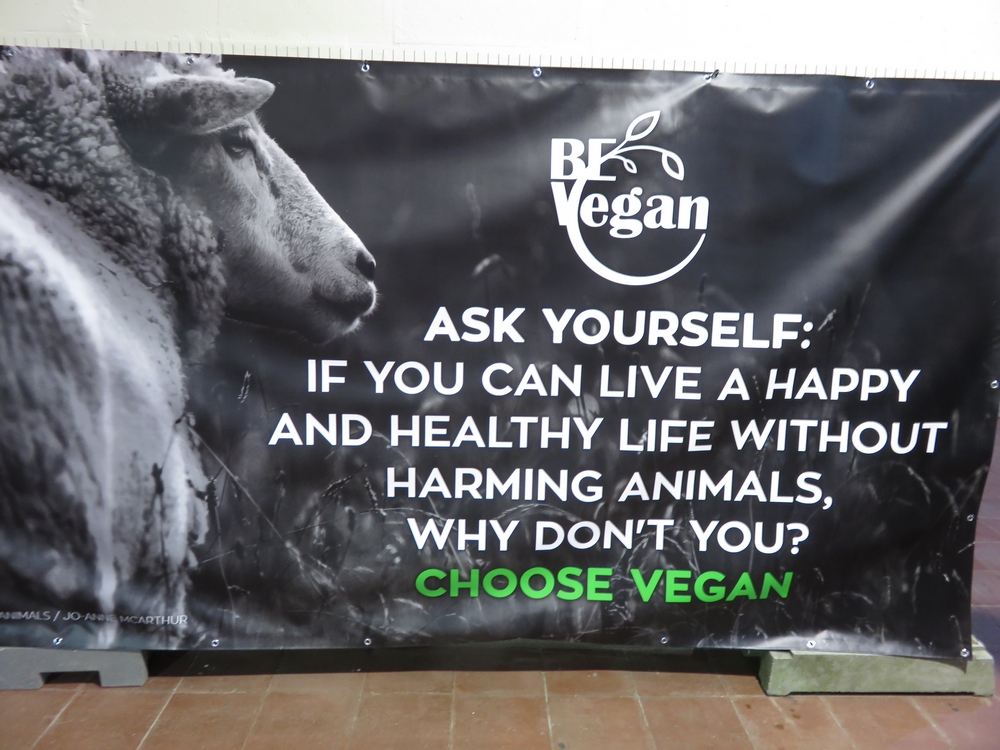
A couple of weeks ago, Belgian organisation BE Vegan organised the second edition of Vegan Summerfest. We went to the first edition in 2015 (see our post here) and surely did not want to miss it! This year, the festival was in the Artcube in Ghent, where BE Vegan had also hosted a talk by Jo-An McArthur last Winter (see blogpost here). A more spacious venue than last year, with more room inside and outside. We went early to avoid the big crowd as much as possible and to secure a parking spot nearby (by the time we left early afternoon, people were already parked several blocks away from the venue). The foodtrucks were outside and inside were two halls with stalls of organisations like Bite Back, Animal Rights, and also several shops selling shoes, books, food and cosmetics. With benches to sit down and relax a while. During the afternoon, there were some talks in yet another hall. Would have loved to hear Ruby Roth‘s ‘Vegan is Love‘ talk (via Skype), but that was scheduled for the late …